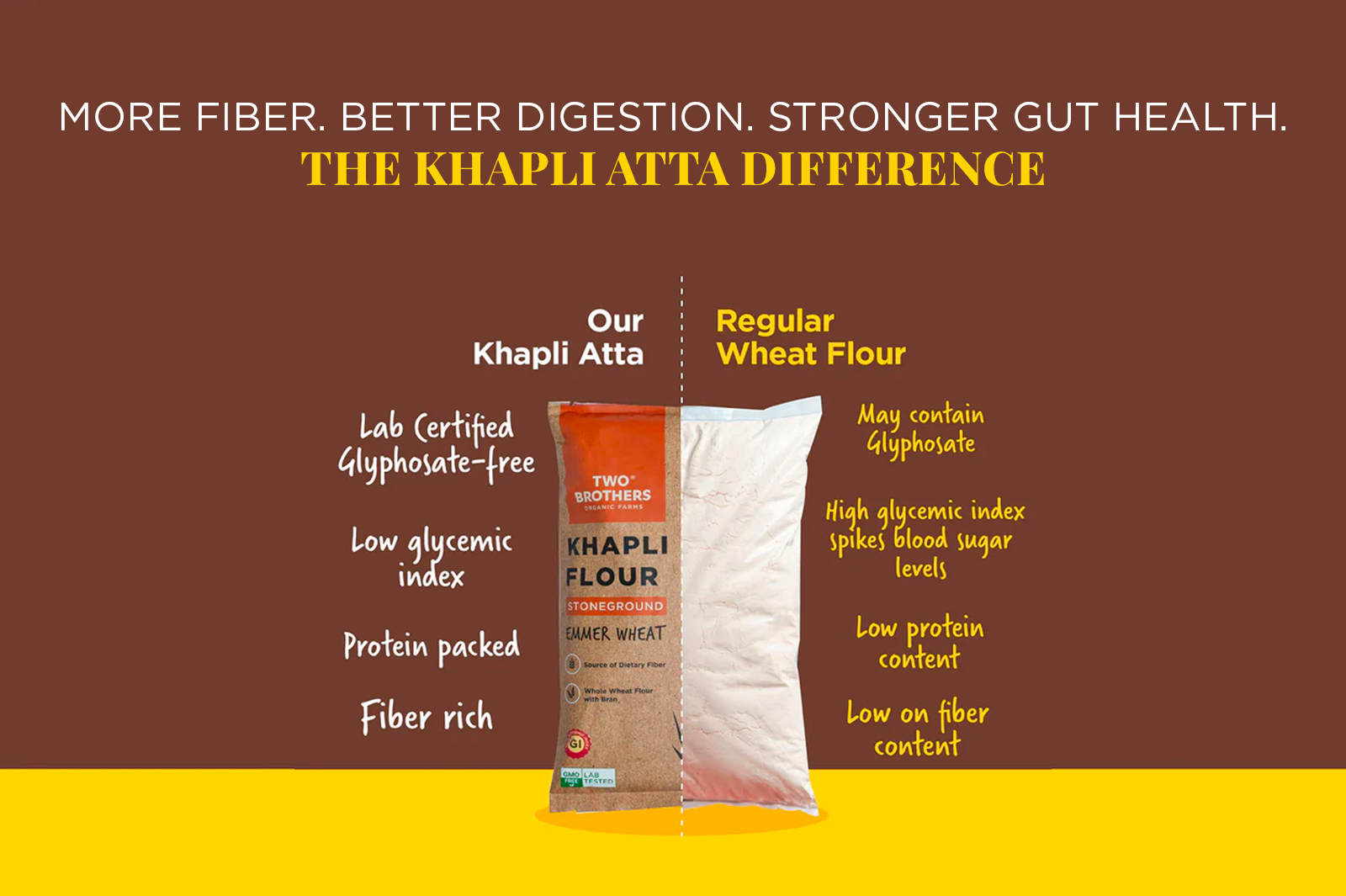





When nutritionists call ragi a superfood, they're not just talking about its impressive nutrient profile on paper. The real game-changer lies in what happens when ragi is sprouted before processing. Why sprouted ragi is nutritionally superior: bioavailability explained simply comes down to one critical factor — your body can actually absorb and use significantly more of the nutrients when the grain has been sprouted first.
Most ragi flour available in the market is made from unsprouted finger millet, which means up to 60% of its mineral content remains locked away by natural compounds called phytates. Sprouting breaks these nutritional barriers, transforming ragi from a nutrient-dense grain into a bioavailable powerhouse that your digestive system can fully utilise.
Key Takeaways
• Sprouting increases calcium bioavailability by 60-70% compared to unsprouted ragi
• Phytic acid reduction during sprouting unlocks iron, zinc, and other essential minerals
• Enhanced protein digestibility makes sprouted ragi gentler on the digestive system
• Activated enzymes in sprouted grains support better nutrient absorption
• Traditional processing methods like stone-grinding preserve these sprouting benefits
What Happens During Sprouting: The Science Behind Enhanced Nutrition
Sprouting is essentially controlled germination — soaking ragi seeds in water until they begin to sprout tiny green shoots. This seemingly simple process triggers profound biochemical changes that transform the grain's nutritional accessibility.
During sprouting, the ragi seed activates dormant enzymes that break down phytic acid, the primary anti-nutrient that binds to minerals like calcium, iron, and zinc. Think of phytic acid as tiny locks that prevent your digestive system from accessing these nutrients. Sprouting essentially picks these locks, freeing up minerals for absorption.
The process also activates phytase enzymes, which continue working even after the ragi is dried and ground into flour. This means sprouted ragi flour retains its enhanced bioavailability throughout storage and cooking.
Research shows that sprouted ragi contains 50-60% less phytic acid than unsprouted varieties. For a grain that's already one of the richest plant sources of calcium (344mg per 100g), this reduction in anti-nutrients makes a dramatic difference in how much nutrition your body actually receives.
Why Sprouted Ragi Is Nutritionally Superior: The Bioavailability Advantage
The term bioavailability refers to how much of a nutrient your body can actually absorb and use, not just what's present in the food. This distinction is crucial when understanding why sprouted ragi is nutritionally superior: bioavailability explained simply.
Calcium Absorption: From 30% to 70%
Unsprouted ragi may contain impressive amounts of calcium on paper, but phytic acid can reduce absorption to as low as 30%. Sprouted ragi, with its reduced phytate content, allows for 60-70% calcium absorption — more than doubling the actual nutritional benefit.
This difference is particularly significant for Indian households, where calcium deficiency affects a large portion of the population. A single serving of sprouted ragi porridge can provide more bioavailable calcium than a glass of milk, making it an excellent choice for lactose-intolerant individuals or those following plant-based diets.
Iron Bioavailability: Critical for Anaemia Prevention
Iron deficiency anaemia affects approximately 50% of Indian women, making ragi's iron content particularly valuable. However, the iron in unsprouted ragi is largely bound by phytates, limiting absorption to 5-10%.
Sprouting not only reduces phytic acid but also increases Vitamin C content in the grain, which further enhances iron absorption. The combination means sprouted ragi can deliver 3-4 times more bioavailable iron than its unsprouted counterpart.
Enhanced Protein Digestibility
Sprouting improves protein digestibility by breaking down complex proteins into simpler amino acids. The protein digestibility-corrected amino acid score (PDCAAS) of sprouted ragi is significantly higher than unsprouted varieties, meaning your body can more easily access and utilise the grain's 7-8% protein content.
The Traditional Wisdom Behind Modern Science
Indian food traditions have long recognised the benefits of sprouting grains. In South Indian households, ragi malt or nachni satva has been a traditional weaning food for babies for generations. Grandmothers intuitively understood that sprouted ragi was easier to digest and more nourishing, even without knowing the science behind phytic acid reduction.
The traditional process involves soaking ragi overnight, allowing it to sprout for 24-48 hours, then drying it in the sun before stone-grinding into flour. This method preserves the enzymatic activity initiated during sprouting while creating a shelf-stable product.
Two Brothers Organic Farms follows this traditional approach in producing their sprouted ragi flour, ensuring that the bioavailability benefits are preserved from farm to kitchen. The stone-grinding process maintains the grain's natural oils and doesn't generate the heat that can destroy sensitive enzymes and vitamins.
Practical Benefits: What This Means for Your Health
Understanding why sprouted ragi is nutritionally superior: bioavailability explained simply translates into real health benefits you can experience:
For Bone Health
The enhanced calcium absorption from sprouted ragi supports bone density, particularly important for growing children, pregnant women, and post-menopausal women at risk of osteoporosis.
For Energy Levels
Better iron absorption means improved oxygen transport in the blood, leading to sustained energy levels and reduced fatigue. This is especially beneficial for vegetarians who may struggle to get adequate bioavailable iron from plant sources.
For Digestive Comfort
The pre-digestion that occurs during sprouting makes ragi gentler on the stomach. The activated enzymes help break down complex carbohydrates, reducing bloating and digestive discomfort that some people experience with unsprouted grains.
For Blood Sugar Management
Sprouted ragi has a lower glycemic index than unsprouted varieties due to the partial breakdown of starches during germination. This makes it an excellent choice for people managing diabetes or insulin resistance.
How to Incorporate Sprouted Ragi Into Your Diet
The beauty of sprouted ragi lies in its versatility. Unlike some health foods that require dramatic dietary changes, sprouted ragi can easily replace regular flour in many traditional Indian preparations.
Morning Options:
- Sprouted ragi porridge with jaggery and cardamom
- Ragi dosa or uttapam for a protein-rich breakfast
- Ragi malt mixed with milk or water
Main Meals:
- Ragi roti as a low-GI alternative to wheat chapati
- Mixed with other flours for enhanced nutrition in regular rotis
- As a thickening agent in soups and gravies
Snacks and Desserts:
- Ragi cookies or crackers for healthy snacking
- Traditional ragi mudde (balls) with sambar
- Ragi halwa or kheer for festive occasions
The key is starting gradually — replace 25-30% of regular flour with sprouted ragi flour initially, then increase the proportion as your palate adjusts to the slightly nutty, earthy flavour.
Choosing Quality Sprouted Ragi: What to Look For
Not all sprouted ragi products deliver the same bioavailability benefits. The sprouting process, drying method, and grinding technique all impact the final nutritional value.
Look for sprouted ragi that has been:
- Sun-dried rather than machine-dried to preserve enzyme activity
- Stone-ground rather than hammer-milled to prevent heat damage
- Made from organic ragi to avoid pesticide residues that can interfere with nutrient absorption
- Processed in small batches to ensure freshness and quality control
The colour should be slightly lighter than regular ragi flour, with a fresh, nutty aroma. Avoid products with a musty smell, which indicates poor drying or storage conditions that can compromise nutritional benefits.
The Role of Processing in Preserving Bioavailability
Even the best sprouted ragi can lose its nutritional advantages if processed incorrectly. High-heat processing destroys the very enzymes that sprouting activates, while chemical treatments can introduce compounds that interfere with mineral absorption.
Traditional stone-grinding generates minimal heat, preserving the delicate enzymes and vitamins that make sprouted ragi superior. The slower grinding process also maintains the grain's natural oils, which aid in the absorption of fat-soluble vitamins.
This is why choosing traditionally processed sprouted ragi makes such a difference in actual nutritional outcomes. The investment in quality processing pays dividends in bioavailable nutrition.
Beyond Individual Health: Supporting Sustainable Agriculture
Choosing sprouted ragi also supports regenerative farming practices. Finger millet is naturally drought-resistant and grows well in marginal soils, making it an environmentally sustainable crop that supports small-scale farmers.
The sprouting process adds value at the farm level, providing better returns to farmers while preserving traditional food processing knowledge. This creates a positive cycle where choosing nutritionally superior food also supports sustainable agriculture and rural livelihoods.
Conclusion
Why sprouted ragi is nutritionally superior: bioavailability explained simply comes down to unlocking the grain's full potential through traditional wisdom validated by modern science. Sprouting transforms ragi from a nutrient-dense grain into a bioavailable superfood, increasing calcium absorption by up to 70% and dramatically improving iron and protein utilisation.
The process breaks down anti-nutrients that bind minerals, activates beneficial enzymes, and creates a more digestible grain that supports bone health, energy levels, and blood sugar management. When processed traditionally through stone-grinding, these benefits are preserved from farm to kitchen.
For health-conscious Indian households seeking to maximise nutrition from traditional foods, sprouted ragi offers an evidence-based upgrade to regular finger millet flour. Start by incorporating small amounts into familiar recipes, gradually increasing as you experience the sustained energy and digestive comfort that comes from truly bioavailable nutrition.
The choice between sprouted and unsprouted ragi isn't just about following health trends — it's about ensuring your body can actually access and use the impressive nutrition that finger millet has to offer. In a world where nutrient deficiencies persist despite adequate food availability, bioavailability makes all the difference.