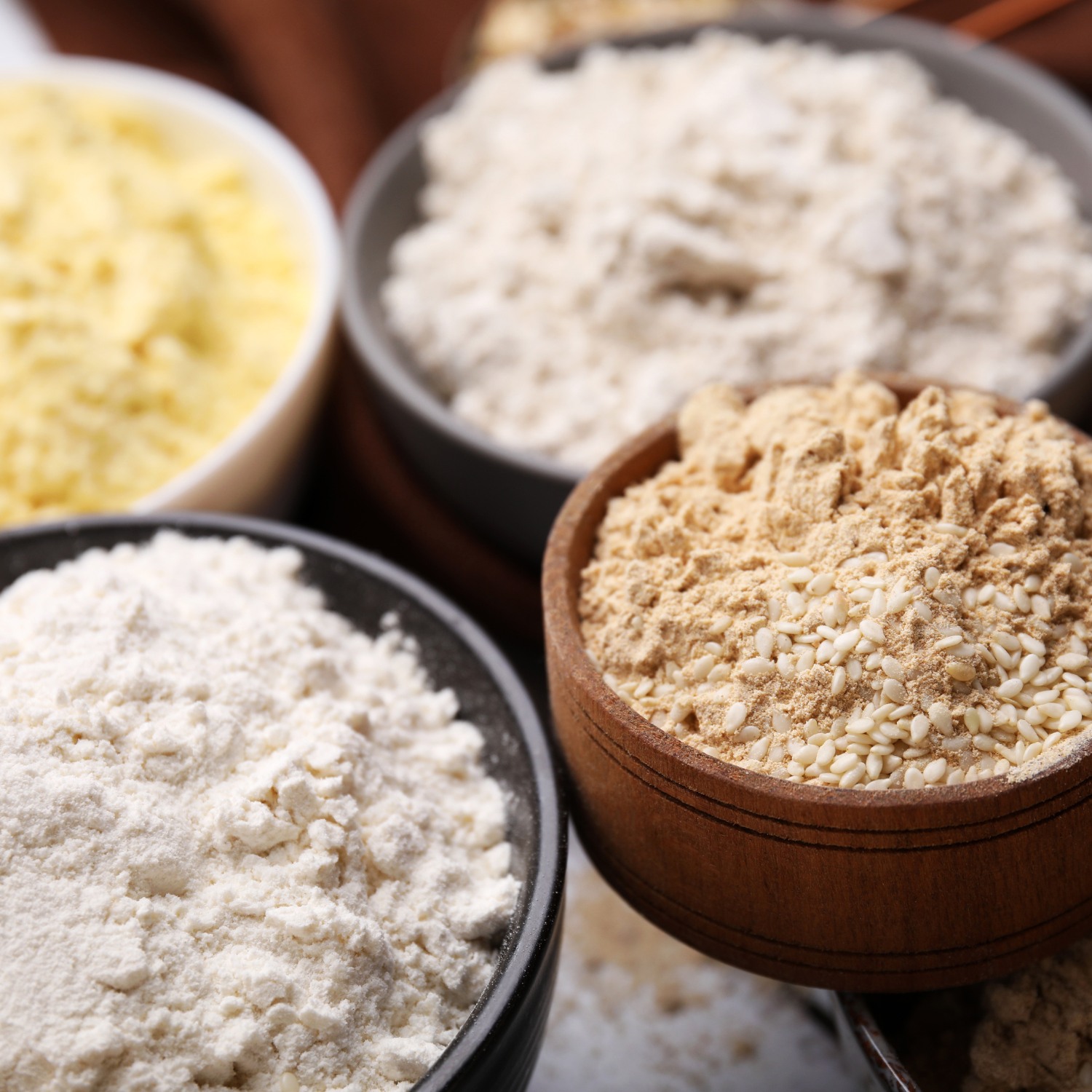





Different attas vary not just in taste but in gluten content, texture, and how they behave in a dough — differences rooted in the type of grain each is milled from, rather than any one atta simply being the superior choice.

What Is Gluten, and Which Grains Contain It
Gluten is a protein found in wheat and related grains. Regular wheat atta and khapli (emmer) atta both contain gluten, though khapli's gluten structure differs from modern wheat's. Millets — ragi, jowar, and bajra — are botanically distinct from wheat and don't naturally contain gluten, as is besan, which is milled from chickpeas rather than any cereal grain.
A Side-by-Side Look
|
Atta |
Grain Family |
Naturally Gluten-Free |
Typical Texture |
Common Use |
|
Whole Wheat |
Wheat |
No |
Soft, elastic dough |
Roti, paratha |
|
Khapli (Emmer) |
Wheat (ancient species) |
No |
Denser, coarser grind |
Roti, paratha |
|
Multigrain |
Mixed (wheat + millets/legumes) |
Varies by blend |
Denser, nuttier |
Roti, paratha |
|
Ragi |
Millet |
Yes |
Fine, reddish-brown |
Roti, dosa, porridge |
|
Jowar |
Millet |
Yes |
Pale, coarser |
Bhakri |
|
Bajra |
Millet |
Yes |
Coarse |
Bhakri |
|
Besan |
Legume (chickpea) |
Yes |
Fine, pale yellow |
Dhokla, pakoras, cheela |
Choosing Based on Recipe, Not Just Grain
Which atta works best often comes down to what's being cooked rather than one variety outperforming another across the board. Roti and paratha generally call for an elastic, wheat-based dough. Bhakri uses a different technique suited to jowar or bajra's coarser, less elastic texture. Ragi works well for porridge and dosa. Matching the flour to the dish, rather than picking a single all-purpose winner, is generally the more useful way to think about it.
FAQs
Which attas are naturally gluten-free?
Ragi, jowar, and bajra are millets and don't botanically contain gluten. Besan (chickpea flour) is also naturally gluten-free.
Does khapli atta have less gluten than regular wheat atta?
Khapli comes from emmer wheat, a different wheat species from common bread wheat, and its gluten structure differs — but it isn't gluten-free.
Can different attas be mixed together?
Yes — this is the basis of most multigrain atta blends, combining wheat-based and millet-based flours for different textures and flavours.
Is any specific atta recommended for a medical condition like diabetes?
That's a question for a doctor or registered dietitian who can assess individual health needs — this guide covers composition and culinary use, not medical guidance.
Explore TBOF's range of attas.