Cart
Your cart is empty


We Chose To Fix
7,000+
farmers connected through a regenerative sourcing ecosystem
70%+
of procurement spend directed to smallholders, FPCs, and local aggregators
3 crore+
litres of rainwater harvested annually on our own farms

The turning point was hearing repeated stories of farmer suicides. A moment that pushed them to return to the land and build a different model of agriculture. What started on one farm in Bhodani is now a regenerative ecosystem.
We did not set out to build a food brand. We set out to answer a question: if farming is failing the people who feed us, what would it take to rebuild it for them, for the land, and for future generations?

Agriculture is not a problem to be optimized. It is a relationship to be restored — with the soil, with water, and with the people who farm.

Regenerating the Land
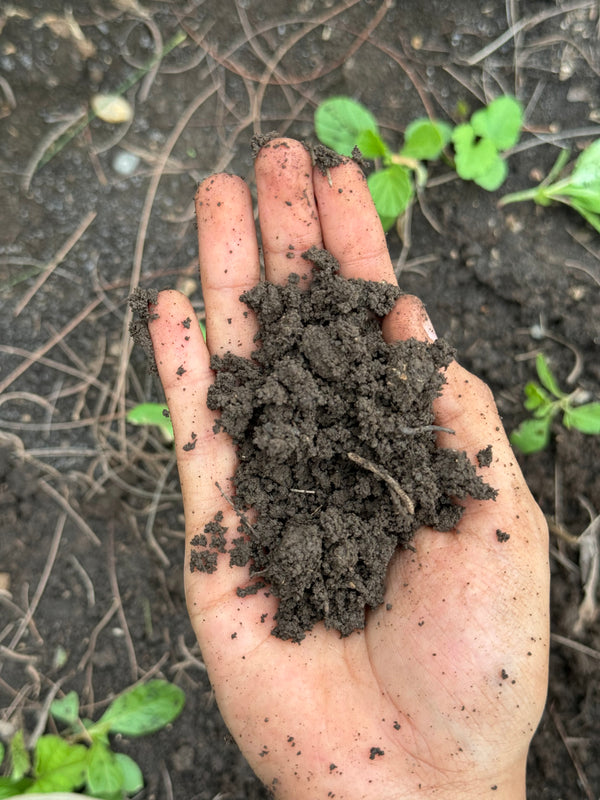
Rebuilding soil, biodiversity, and on-farm nutrient cycles so food is grown in systems that improve the earth instead of depleting it.
5,000+ tons of organic inputs and compost annually · 100+ pollinator bee boxes · region-specific native crops

Water Resilience
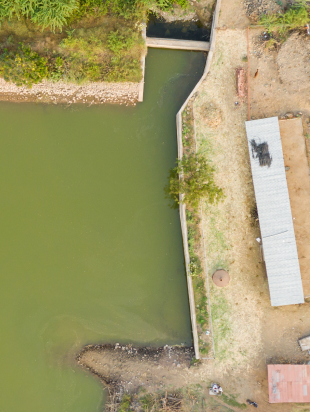
Harvesting, recycling, and reusing every drop so farms become net contributors to local water security rather than net extractors.
3 crore+ litres of rainwater harvested annually on own farms · ~20,000 litres treated and recycled daily

Farmer Livelihoods & Inclusion
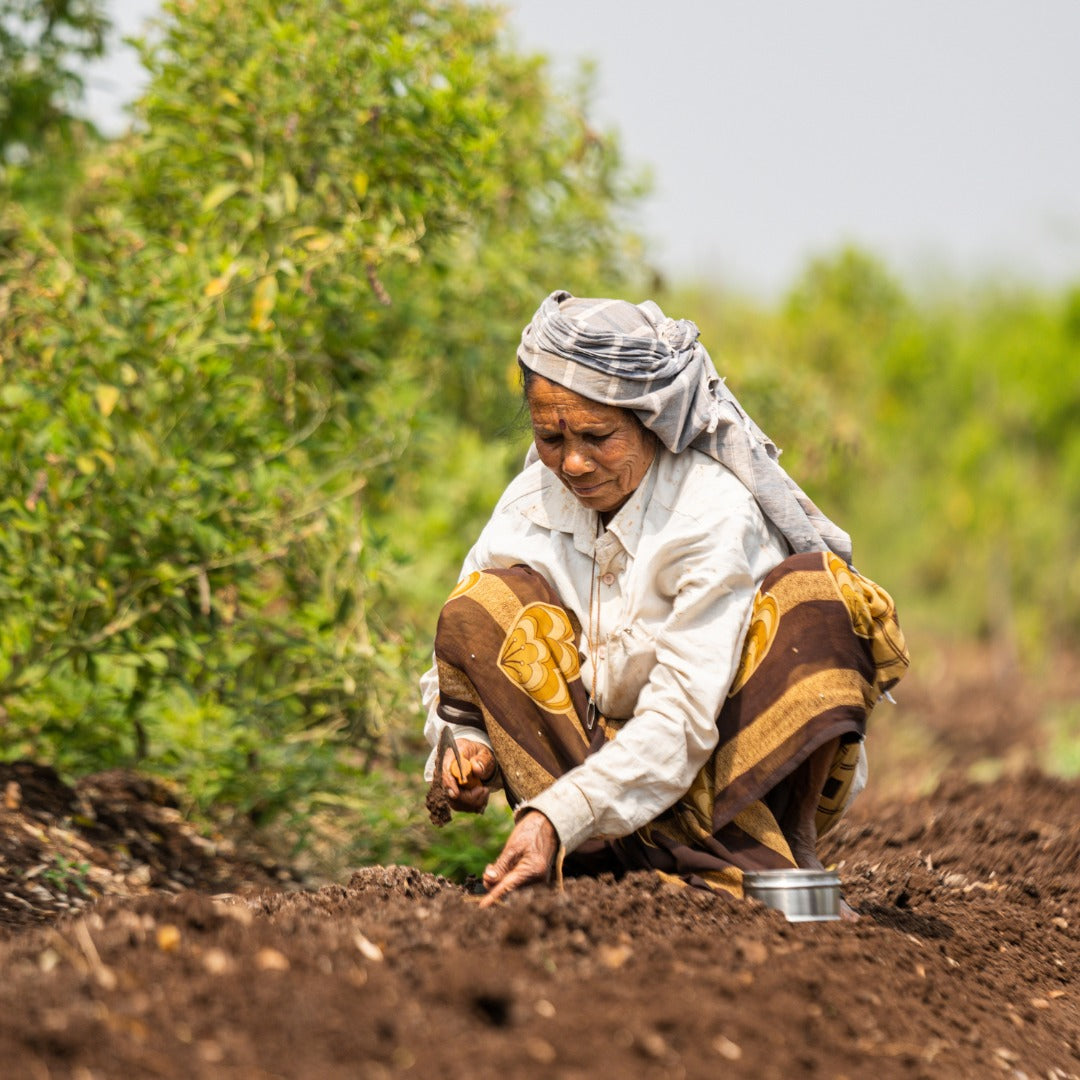
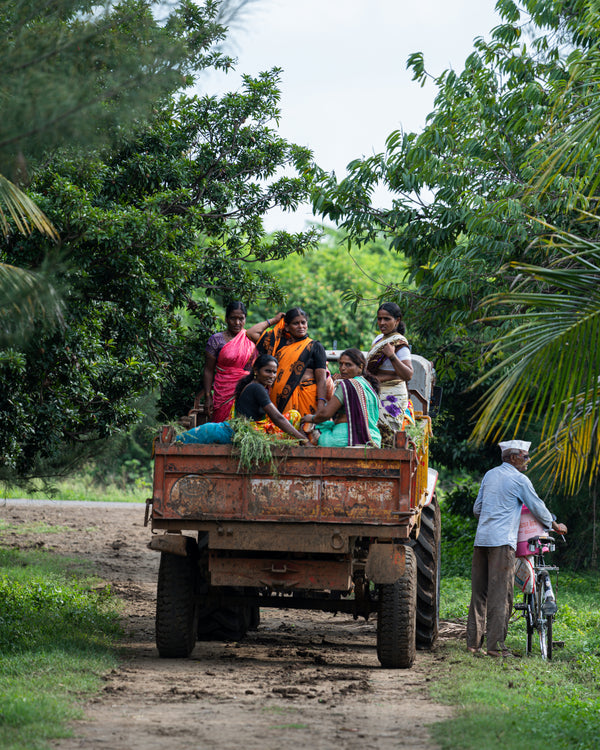
Putting real money behind farmers & directing the majority of procurement spend to smallholders, FPCs, and local aggregators.
7,000+ farmers associated · 70%+ of procurement spend to smallholders, FPCs, and local aggregators

Rural Dignity & Community
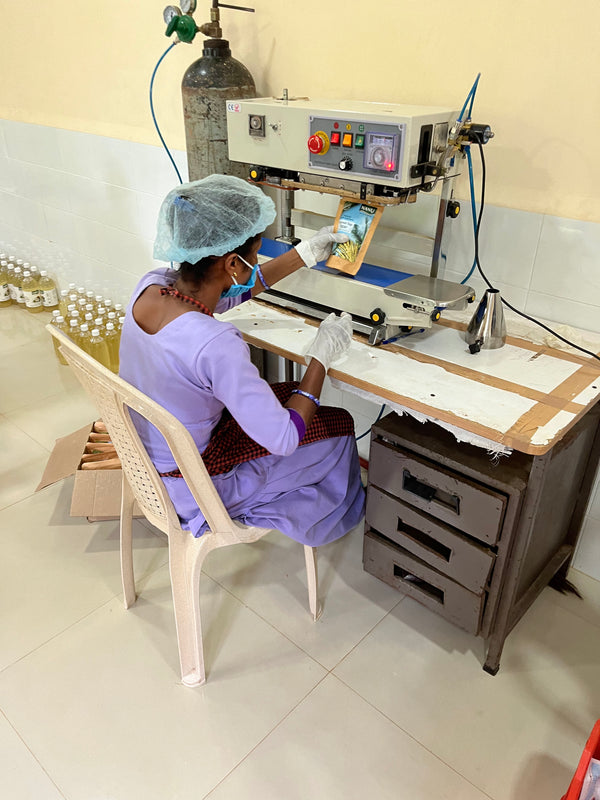
Ecological repair linked to social repair income, employment, nutrition, water, housing, education, and healthcare for rural communities.
70%+ women employed from local villages · community programs across nutrition, water, housing, education, and healthcare
Regenerative claims only work when someone can check them. Our governance architecture makes that possible end-to-end, from the field where a crop is grown to the hand of the customer who eats it.

Procurement spend split by farmer category (smallholder, FPC, aggregator)

Volumes of compost, biogas slurry, and farmyard manure produced and deployed

Rainwater harvested, water treated and recycled, and catchment practices adopted

Farmer count, women employment share, and community program reach

Traceability from farm batch to retail and export SKU
Aligned over time with GRI and SASB-style food & agriculture standards for transparent reporting
Continuous internal monitoring and governance oversight to ensure we meet our regenerative agriculture commitments


Every claim on this site sits on top of an underlying report or data disclosure. Download the full set here.
Two Brothers Sustainability Report 2026 - We'll send you a copy of the full PDF