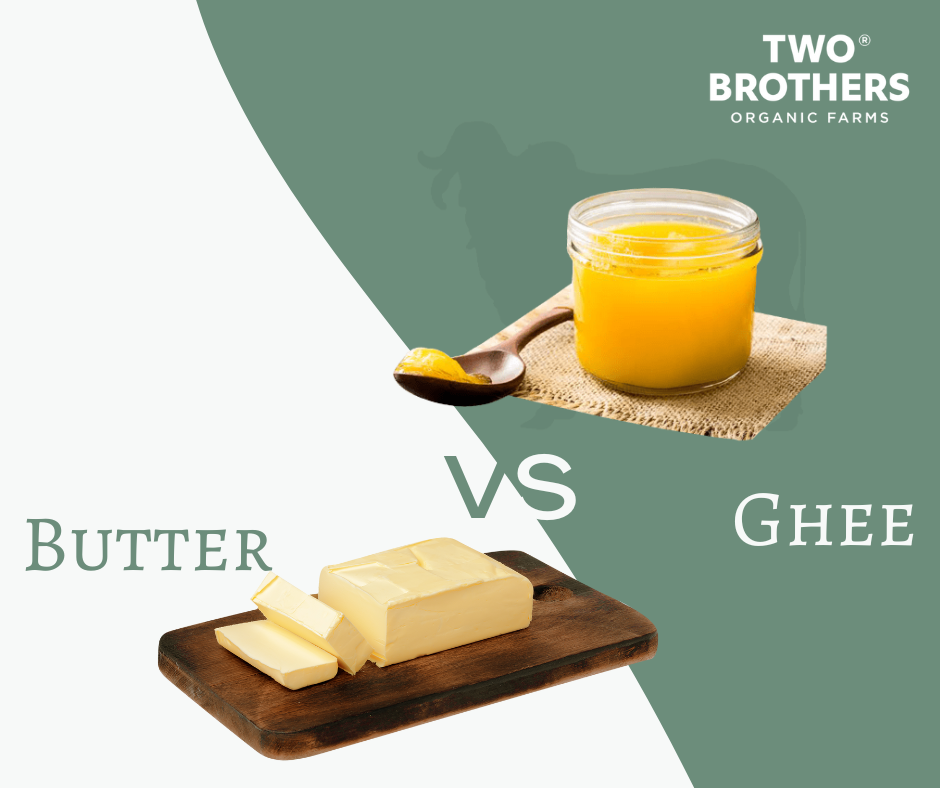





For decades, ghee has been caught in the crossfire of dietary debates. While some dismiss it as a high-calorie culprit behind weight gain, others champion its role as a superfood. The truth about desi ghee benefits in weight management lies somewhere between these extremes, rooted in understanding how healthy fats function in our bodies and why pure desi ghee differs dramatically from processed alternatives.
The confusion around ghee often stems from outdated nutritional paradigms that demonized all fats. However, modern nutritional science reveals that nutrient-rich foods like A2 cow desi ghee can actually support metabolic health when consumed mindfully. Understanding this distinction is crucial for anyone seeking sustainable weight management through traditional Indian foods.

Key Takeaways
• Quality matters more than quantity - Pure desi ghee made through traditional bilona method offers superior nutritional value compared to refined fats
• Healthy fats enhance satiety - Ghee's fat-soluble vitamins and medium-chain fatty acids can help control hunger and support metabolism
• Portion control is essential - Even nutrient-dense ghee should be consumed in appropriate quantities (1-2 teaspoons daily)
• Timing and context matter - Ghee works best when paired with fiber-rich foods and consumed as part of a balanced meal
• Individual responses vary - Weight management success depends on overall dietary patterns, not single foods
The Science Behind Healthy Fats and Weight Management
Understanding Fat's Role in Metabolism
The human body requires healthy fats for optimal function, including hormone production, vitamin absorption, and cellular health. Unlike refined oils that undergo chemical processing, organic ghee retains its natural structure and beneficial compounds.
Pure desi ghee contains:
- Medium-chain fatty acids that are readily metabolized for energy
- Fat-soluble vitamins (A, D, E, K) essential for metabolic processes
- Conjugated linoleic acid (CLA) which may support healthy body composition
- Butyric acid that promotes gut health and inflammation management
The Satiety Factor
One of ghee's most significant advantages in weight management is its ability to promote satiety. When consumed with meals, the healthy fats in ghee slow digestion, leading to:

✅ Prolonged feelings of fullness
✅ Reduced cravings for processed snacks
✅ Better blood sugar stability
✅ Enhanced nutrient absorption from other foods
Research suggests that meals containing appropriate amounts of healthy fats can reduce overall caloric intake by naturally curbing appetite between meals.
A2 Cow Desi Ghee: The Nutrient-Dense Difference
Why Source and Processing Matter
Not all ghee is created equal. A2 cow desi ghee made through traditional bilona method offers superior nutritional benefits compared to commercial alternatives. This farm-to-fork approach ensures:
Traditional Processing Benefits:
- Preserves natural enzyme activity
- Maintains beneficial fatty acid profiles
- Eliminates chemical residues
- Retains authentic flavor and aroma
The difference between A1 and A2 cow ghee extends beyond protein structure to overall digestibility and metabolic impact.
Grass-Fed Advantage
Grass-fed organic ghee from pasture-raised cows contains higher levels of:
- Omega-3 fatty acids
- Vitamin K2
- Beta-carotene
- Antioxidants
These compounds support metabolic health and may contribute to better weight management outcomes.
Debunking Common Ghee and Weight Management Myths
Myth 1: "All Calories Are Equal"
Reality: The source and quality of calories significantly impact metabolism. 100 calories from pure desi ghee affects the body differently than 100 calories from refined sugar or processed oils.
Myth 2: "Fat Makes You Fat"
Reality: Dietary fat doesn't directly translate to body fat. Poor-quality carbohydrates and processed foods are more likely culprits in weight gain than traditional healthy fats like ghee.
Myth 3: "Ghee Clogs Arteries"
Reality: Quality ghee doesn't increase cholesterol when consumed as part of a balanced diet. Traditional preparation methods preserve beneficial compounds that support cardiovascular health.
Practical Guidelines for Including Ghee in Weight Management
Optimal Portion Sizes
Daily Recommendations:
- Active individuals: 2-3 teaspoons
- Sedentary lifestyle: 1-2 teaspoons
- Weight loss phase: 1 teaspoon initially
Strategic Timing
Best Practices:
- Include ghee in morning meals for sustained energy
- Use for cooking vegetables to enhance nutrient absorption
- Avoid late-night consumption of large quantities
Complementary Food Pairings
Ghee works synergistically with:
- Fiber-rich vegetables for enhanced satiety
- Ancient grains like khapli wheat for balanced nutrition
- Protein sources for complete meal satisfaction
Success stories like this transformation from fat to fit at age 40 demonstrate how traditional foods, including quality ghee, support sustainable weight management.
The Gut Health Connection
Supporting Digestive Wellness
Organic ghee contains butyric acid, a short-chain fatty acid that:
- Nourishes intestinal cells
- Reduces inflammation
- Supports healthy gut bacteria
- Improves nutrient absorption
A healthy gut microbiome is increasingly recognized as crucial for weight management, making ghee's digestive benefits particularly relevant.
Enhanced Nutrient Absorption
The fat-soluble vitamins in ghee help absorb:
- Vitamin A from colorful vegetables
- Vitamin D for metabolic health
- Vitamin K for bone health
- Antioxidants from spices and herbs
This enhanced absorption means better nutrition from smaller quantities of food, supporting both health and weight management goals.
Quality Considerations: Choosing the Right Ghee
What to Look For
Premium Quality Indicators:
- Traditional bilona method preparation
- Grass-fed, pasture-raised source
- Chemical-free farming practices
- Transparent sourcing information
- Natural texture and aroma
Avoiding Processed Alternatives
Commercial ghee often contains:
- Artificial preservatives
- Added colors and flavors
- Residues from industrial processing
- Lower nutritional value
Understanding why bilona ghee surpasses industrial alternatives helps make informed choices for weight management goals.
Integrating Ghee into a Balanced Lifestyle
Beyond Weight Management
The comprehensive benefits of ghee extend beyond weight management to include:
- Improved cognitive function
- Enhanced immune support
- Better skin health
- Increased energy levels
Mindful Consumption Approach
Rather than viewing ghee as either "good" or "bad," adopt a mindful approach:
- Focus on quality over quantity
- Listen to your body's responses
- Maintain overall dietary balance
- Consider individual health goals
Conclusion
The relationship between ghee and weight management isn't about simple calories in versus calories out. Pure desi ghee, particularly A2 cow desi ghee made through traditional methods, offers unique nutritional benefits that can support healthy weight management when consumed mindfully.
The key lies in understanding that healthy fats like those found in organic ghee serve essential metabolic functions, promote satiety, and enhance nutrient absorption. Rather than eliminating ghee from weight management diets, focus on choosing high-quality sources and appropriate portions.
Action Steps for Success:
- Choose authentic, grass-fed A2 cow desi ghee from traceable sources
- Start with small quantities (1 teaspoon daily) and monitor your body's response
- Pair ghee with fiber-rich, nutrient-rich foods for optimal benefits
- Focus on overall dietary quality rather than restricting individual foods
- Consult with healthcare providers for personalized guidance
For those ready to explore the benefits of authentic ghee, consider learning more about ghee's specific role in weight management and how quality makes all the difference in achieving sustainable health goals.