




Indian cooking draws on a range of oils, each suited to different dishes and techniques, shaped largely by regional cuisine and the oil's own flavour and heat tolerance.
A Side-by-Side Look
|
Oil |
Flavour |
Smoke Point |
Common Regional Use |
|
Mustard Oil |
Pungent, sharp |
Medium-high |
Bengali, North Indian cooking |
|
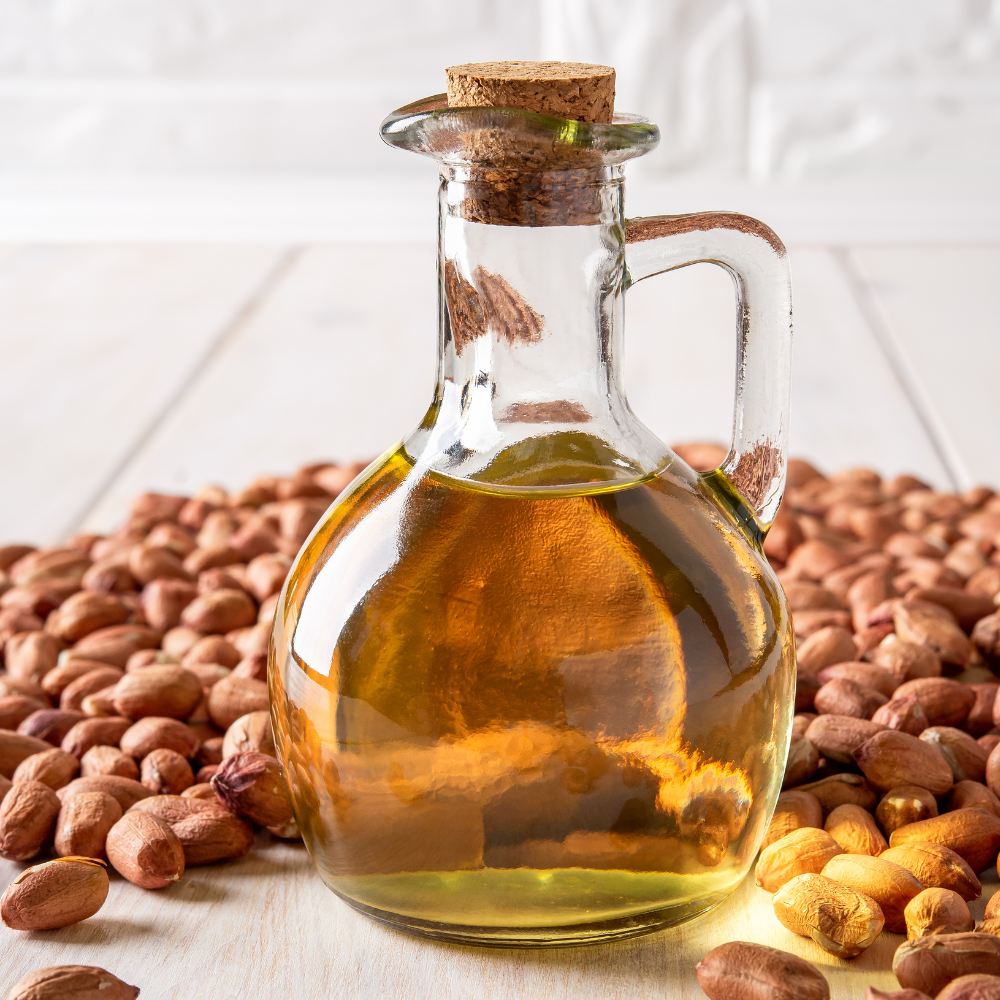
Groundnut Oil |
Mild, nutty |
High |
Western, Central Indian cooking |
|
Coconut Oil |
Distinct, sweet |
Medium |
South Indian cooking |
|
Sesame Oil |
Nutty, robust |
Medium |
South Indian, tempering |
|
Sunflower Oil |
Neutral |
High |
Everyday, general-purpose cooking |

Regional Patterns
The oils most common in a given kitchen often trace back to regional cuisine as much as anything else — mustard oil in Bengali and North Indian cooking, coconut oil across South India, and groundnut oil in the west and centre of the country, among others.
Choosing by Cooking Method
Deep frying and other sustained high-heat techniques generally call for an oil with a higher smoke point. For dressings or finishing a dish, flavour tends to matter more than heat tolerance, since the oil isn't being heated.
FAQs
Which oil has the highest smoke point?
Refined oils generally have higher smoke points than unrefined or cold-pressed oils, since refining removes components that break down at lower temperatures.
Can I mix different cooking oils?
Yes, many households use different oils for different dishes, or rotate based on what's being cooked.
Is mustard oil used the same way as groundnut oil?
Not exactly. Mustard oil has a distinct pungent flavour and is more common in Bengali and North Indian cooking, while groundnut oil has a milder, nutty flavour.
Does the right oil depend on the dish?
Largely, yes — flavour and heat tolerance both matter, and different dishes call for different oils.
Explore TBOF's Groundnut Oil and Safflower Oil.