



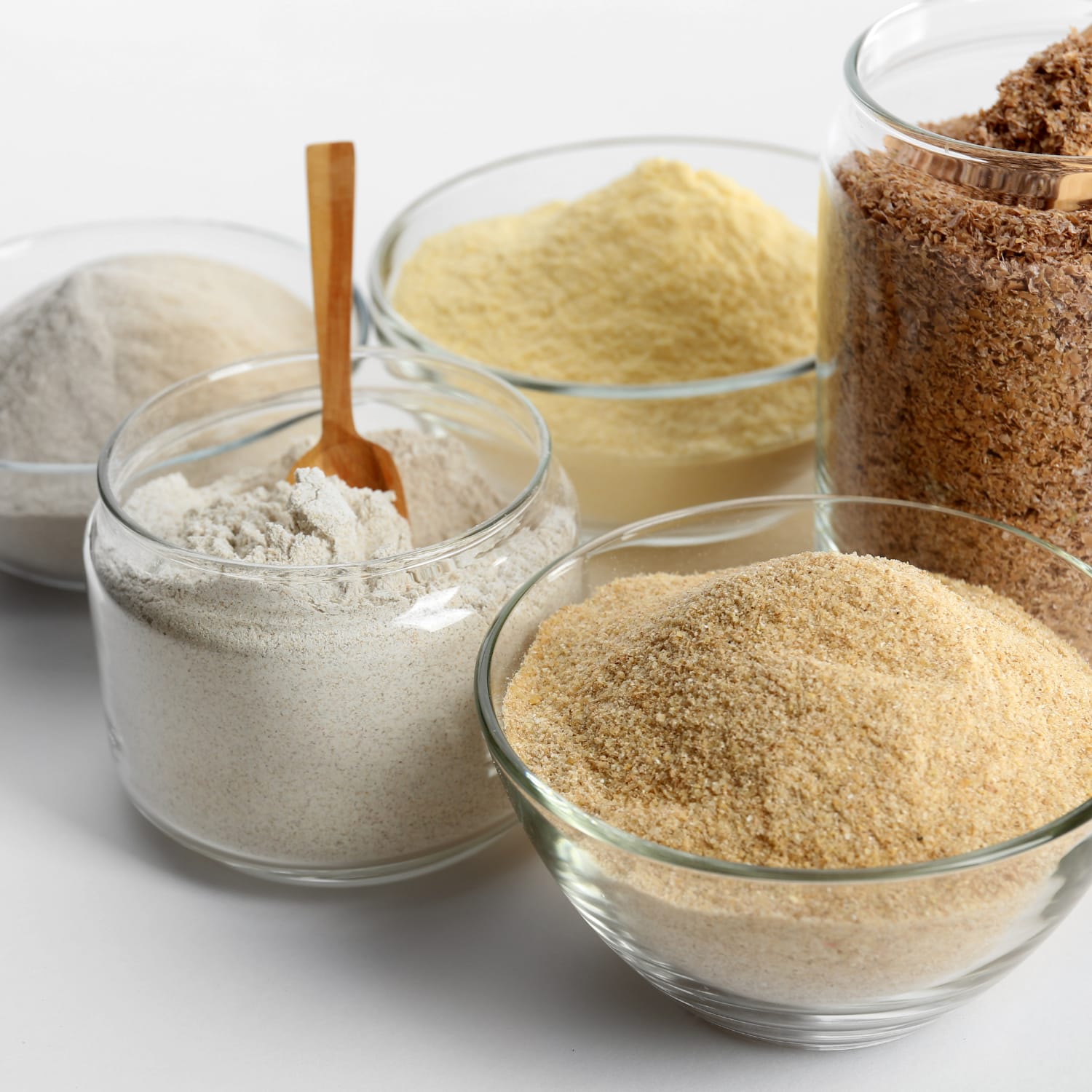
India's kitchens work with more than one kind of flour. Walk down the atta aisle and you'll find whole wheat, khapli, multigrain, and a handful of millet-based options sitting side by side. The question isn't really which one wins — it's what each grain actually is, how it's milled, and what it does once it becomes a dough.
Here's a look at seven atta varieties commonly used in Indian kitchens, and how they differ.
Whole Wheat Atta
Milled from the entire wheat kernel — bran, germ, and endosperm — unlike refined maida, which has the bran and germ removed. This gives whole wheat atta its characteristic brown colour and coarser texture, and produces a soft, pliable dough suited to roti and paratha.
Khapli (Emmer) Atta
Khapli atta is milled from emmer wheat, one of the earliest cultivated wheat species, distinct from the common bread wheat used in regular atta. It has a denser texture and a coarser, stone-ground grind, which gives rotis a heavier, nuttier bite. Emmer's gluten structure differs from modern wheat's — the dough tends to feel less elastic and stretchy while kneading.
Multigrain Atta
A blend of several grains and legumes rather than a single grain — TBOF's multigrain atta, for instance, combines khapli wheat, jowar, barley, ragi, soybean, horse gram, chickpea, and flaxseed. Because it draws on several grains at once, the flavour and texture differ noticeably from single-grain atta, usually denser with a more pronounced, nutty taste.
Ragi (Finger Millet) Atta
A naturally gluten-free grain with a dark reddish-brown flour. Commonly used for rotis, dosas, and porridge, with a distinct earthy flavour that's quite different from wheat-based flours.
Jowar (Sorghum) Atta
Also gluten-free, with a pale, off-white flour. Commonly used to make bhakri in Maharashtra and parts of Karnataka — a flatbread technique that differs from rolling roti and typically requires working the dough while it's still warm.
Bajra (Pearl Millet) Atta
A third gluten-free option, commonly eaten in parts of North India, especially during the winter months. Bajra atta has a coarser texture and is usually best worked with warm water to hold the dough together.
Besan (Chickpea Flour)
Ground from chickpeas rather than any cereal grain, besan is used in dishes like dhokla, pakoras, and cheela. It behaves very differently from wheat-based attas in cooking and isn't typically used for rotis on its own.
FAQs
What's the difference between atta and maida?
Atta is milled from the whole grain kernel, retaining the bran and germ. Maida is refined flour with both removed, giving it a finer texture and lighter colour.
Is khapli atta the same as regular wheat atta?
No. Khapli atta comes from emmer wheat, a different wheat species from the common bread wheat used in regular atta, and has a denser texture and coarser grind.
Can gluten-free flours like ragi or jowar be substituted 1:1 for wheat atta?
Not directly. Gluten-free flours behave differently in a dough and are usually used in their own specific recipes rather than swapped straight into wheat-based ones.
How should atta be stored?
In an airtight container, in a cool, dry place, away from direct sunlight.
Explore TBOF's Khapli Atta and Khapli Multigrain Atta.