




With so many cooking oils on the shelf, the choice often comes down to two practical factors: how the oil is extracted, and how well it holds up under heat. Here's how those two things typically play out.

What Smoke Point Means
An oil's smoke point is the temperature at which it starts to break down and produce visible smoke. Past that point, flavour and quality begin to degrade, which is why smoke point matters when matching an oil to a cooking method.
Extraction Method Matters
Cold-pressed (or wood-pressed) oils are extracted without high heat, which retains more of the oil's natural flavour and colour. Refined oils go through additional processing, which typically raises the smoke point but removes some of the flavour and natural components that cold-pressing preserves.
A Look at Common Cooking Oils
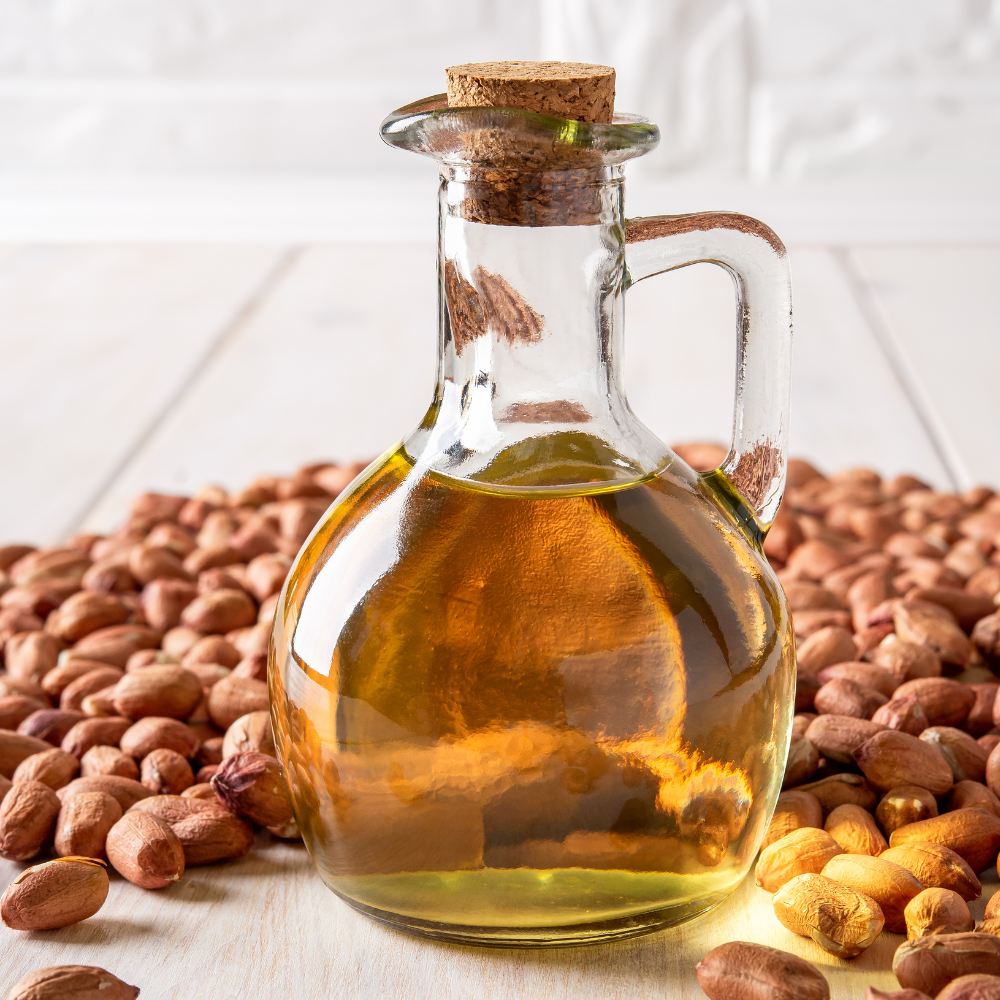
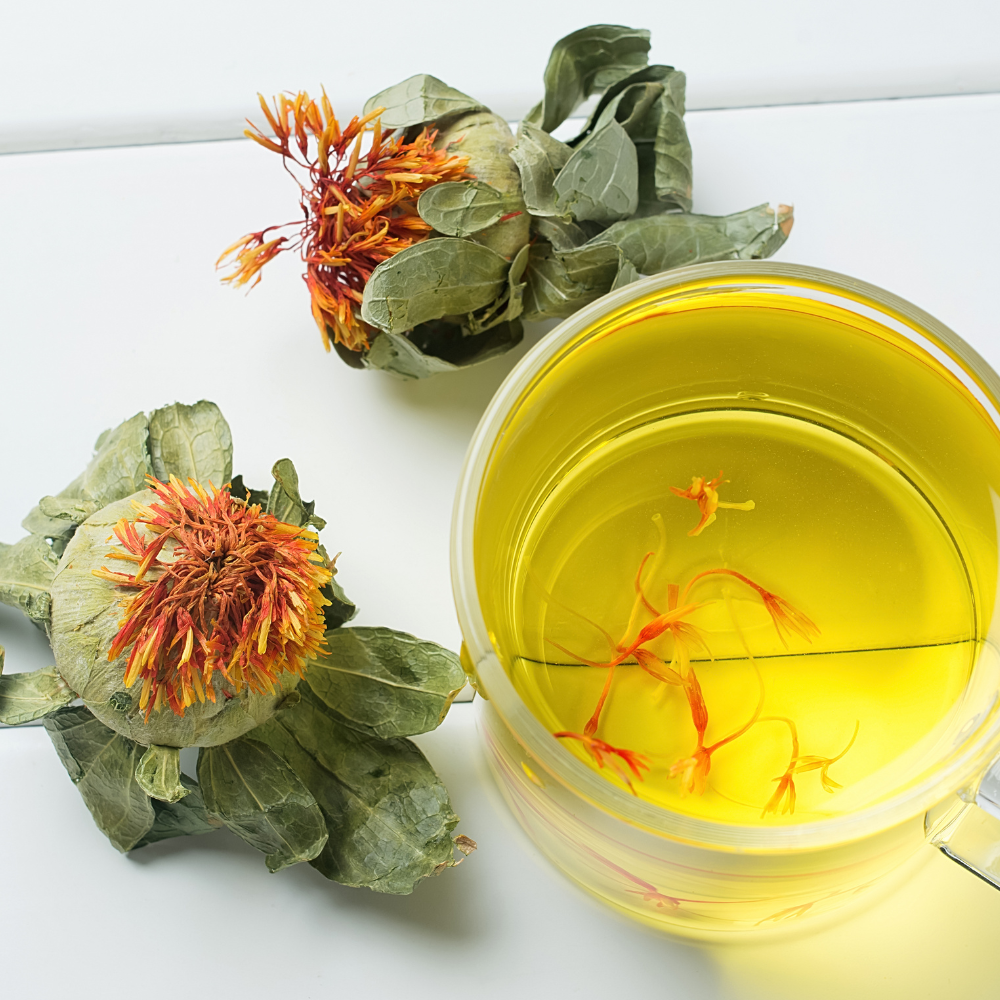
Groundnut oil has a mild, nutty flavour and a high smoke point, making it a common choice for frying, sautéing, and tempering. Coconut oil is solid at room temperature with a distinct flavour, and is a staple in South Indian cooking. Mustard oil has a pungent, sharp flavour and is common in Bengali and North Indian cooking. Sunflower oil has a neutral flavour and is widely used for everyday cooking. Safflower oil also has a mild flavour with a high smoke point, similar in use to groundnut oil.

Matching Oil to Cooking Method
Deep frying and other high-heat techniques generally call for an oil with a higher smoke point. Dressings and finishing touches, where the oil isn't heated, leave more room to use an oil for its flavour alone.
FAQs
What does “smoke point” mean?
It's the temperature at which an oil starts to break down and produce visible smoke — beyond that point, flavour and quality start to degrade.
Is cold-pressed oil different from refined oil?
Yes. Cold-pressed oils are extracted without high heat, which retains more of the oil's natural flavour and colour; refined oils go through additional processing.
Does the right cooking oil depend on a health condition?
Dietary needs vary by individual, especially for anyone managing a health condition — that's a conversation for a doctor or registered dietitian, not something a general guide can answer.
Can I use the same oil for every cooking method?
You can, but different oils are often better suited to different techniques based on their smoke point and flavour.
Explore TBOF's Groundnut Oil and Safflower Oil.